The Palm Trees of the Indianos
Why there are palm trees all along the green north coast of Spain – and what they tell us about emigration and return.
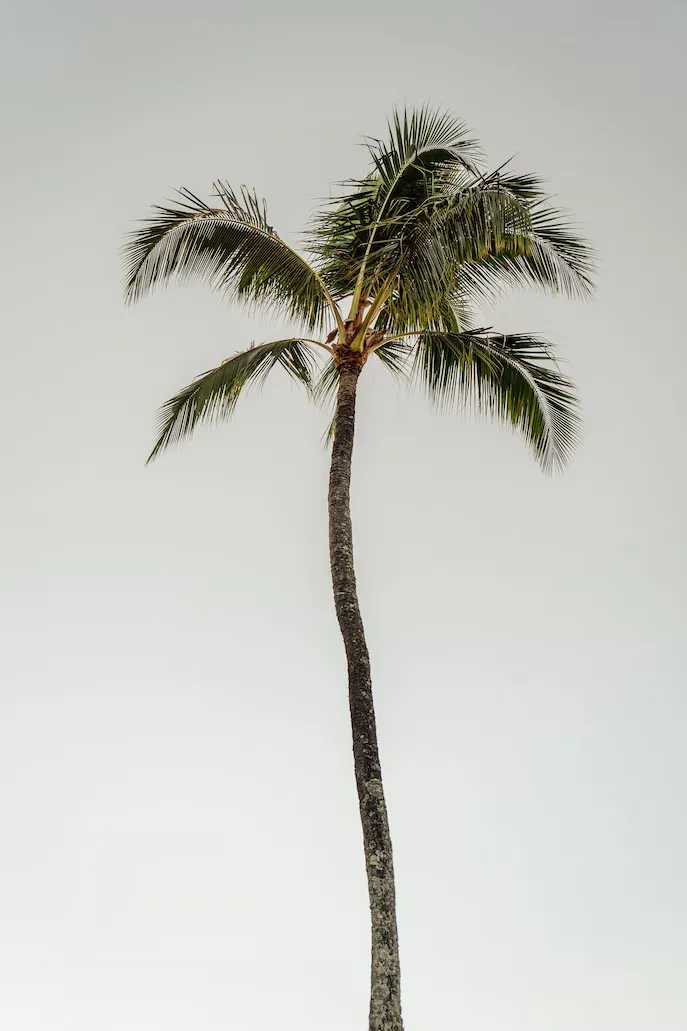
If you drive through Cantabria or Asturias, you expect green meadows, cows and mist – and suddenly come across tall palm trees in front of old manor houses. That is no coincidence but a piece of migration history.
Who were the Indianos?
In the 19th and early 20th centuries, many young people from the poor north of Spain emigrated to the Americas, above all to Cuba, Mexico and Argentina. Some of them came back wealthy. At home they were called Indianos.
The palm tree as a status symbol
The returnees often built eye-catching houses in colonial style, with verandas, colourful façades and large gardens. And almost always there was a palm tree. It was a visible sign: someone lives here who made it in America.
Thanks to the mild Atlantic climate, palms grow surprisingly well on the coast. Many of the trees are over a hundred years old and still shape the look of the villages today.
Where to find them
You will find a particularly large number of Indiano houses with palm trees in the coastal towns between Santander and the Asturian border, for example around Comillas and San Vicente de la Barquera. Just keep your eyes open – once you know the pattern, you see it everywhere.
By the way, this is what inspired the name of this blog: Palmera.